Should You Buy the Renovated Home or the One With Potential?
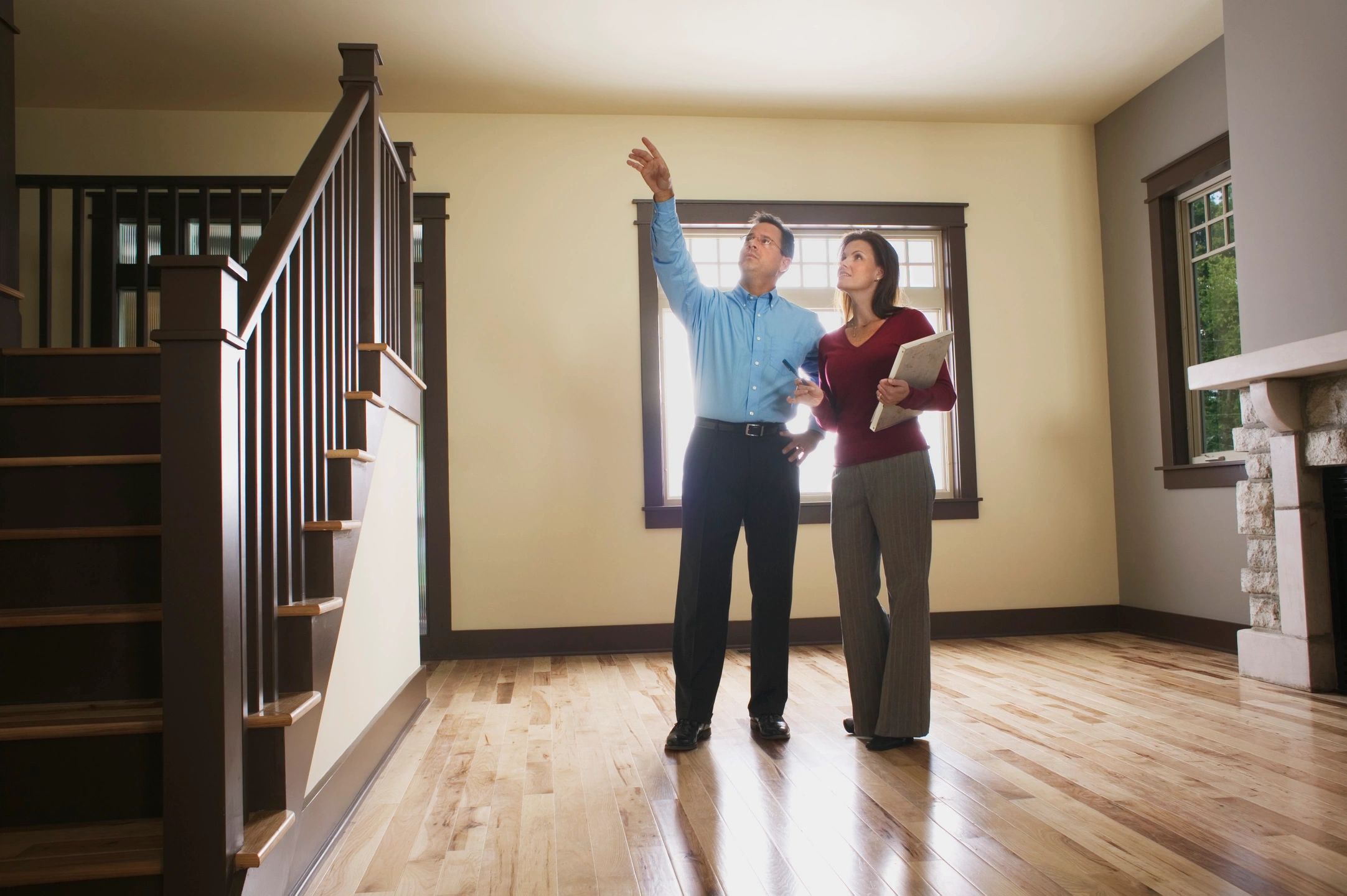
House hunting has a way of making people emotional fast. One minute, it’s all budgets and inspection reports. The next, someone is standing in a kitchen with marble-look counters whispering, “This is the one.”
Renovated homes do that. They photograph beautifully. They smell like fresh paint. The floors shine. The bathroom has that nice hotel feeling, the kind that makes daily life seem instantly more organized. No judgment. A pretty laundry room can make anyone believe they’ll suddenly start folding towels the same day they come out of the dryer.
But the home with “potential” has its own pull. It may have old carpet, tired cabinets, or a backyard that looks like it gave up sometime in 2008. Still, there’s space. Character. A chance to make it feel personal. That decision can be tricky: pay more for finished, or take on the work and shape the house over time?
The Case for Buying Renovated
A renovated home offers one big gift: less chaos.
For families, that matters. Moving is already a production. Boxes everywhere. Missing spoons. Someone crying because their favorite blanket ended up in the “random garage stuff” pile. A home that’s already updated can make the transition easier. The kitchen works. The bathrooms don’t need urgent attention. The flooring is done. Life can keep moving.
There’s also cost clarity. While renovated homes often come with a higher price tag, buyers can see what they’re paying for. A finished kitchen has a number attached to it. So does a new roof, updated wiring, or modern heating and cooling. There are fewer mystery expenses hiding behind “we’ll do it later.”
That said, not every renovation is equal. Some updates look lovely on listing photos but fall apart under real-life use. Cheap cabinets chip. Trendy fixtures date quickly. Paint can hide more than it solves. Always look past the styling. Open drawers. Check corners. Ask who did the work and whether permits exist. Boring? Yes. Necessary? Absolutely.
The Appeal of the Home With Potential
The fixer-upper, or even the “needs a little love” home, can be a smarter buy for the right household. It may cost less upfront. It may sit in a better neighborhood than a fully renovated place in the same budget. It can also give buyers more control over finishes, layout, and priorities.
Some people don’t actually want someone else’s dream kitchen. They want their own. Maybe that means durable counters because kids do homework there. Maybe it means a bigger pantry, fewer open shelves, or a mudroom that can survive soccer cleats and rainy-day backpacks.
A home with potential also lets renovations happen in stages. Paint first. Flooring later. Kitchen when the budget recovers from moving, school supplies, and the mysterious number of storage bins every family suddenly needs. Slow progress can still be progress.
In Australia, especially in established suburbs, some buyers work with buyers agents Melbourne to compare finished homes with older properties in inner and middle-ring areas where location, land size, and long-term value can matter just as much as a glossy renovation.
Don’t Romanticize the Work
Potential sounds sweet until the dust starts.
Renovating while living in a home can test anyone’s patience. Cooking from a microwave for six weeks gets old fast. So does brushing teeth in the laundry sink. Even small projects can stretch when trades are booked out, materials get delayed, or a “simple update” uncovers plumbing that belongs in a museum.
Budget blowouts are common because old homes love surprises. A wall comes down and suddenly there’s water damage. The bathroom tiles come up and the floor needs repair. The cute vintage window? It leaks. Of course it does.
This doesn’t mean buyers should avoid older homes. It means they should go in with open eyes. A good building inspection matters. So does a realistic buffer. Not a tiny “just in case” amount. A real one.
Character Can Be Worth the Effort
Some homes have details that can’t be bought off a shelf. High ceilings. Original timber floors. Old fireplaces. Pretty front porches. Rooms with a sense of history. For people who love charm, a basic modern renovation may never compete with that.
Still, character needs care. Projects like heritage house restoration can be especially rewarding when handled properly, but they often involve extra rules, specialist trades, and a slower decision-making process. The payoff can be beautiful. The process? Not always simple.
That’s where personality comes in. Some households enjoy the journey. They can live with unfinished edges and make decisions over time. Others feel stressed when everything isn’t done. Neither is wrong. It’s just better to know before signing a contract.
Think About the Season of Life
The best choice isn’t only about money. It’s about capacity.
A couple with no kids, flexible work schedules, and renovation experience may happily take on a project home. A busy family with toddlers, school runs, work deadlines, and no spare weekends may be better off paying more for a renovated place. Peace has value.
There’s also the emotional cost. Living in a half-finished house can feel exciting at first, then exhausting. Dust gets old. Decisions pile up. Even choosing cabinet handles can feel dramatic when everyone is tired.
A renovated home may offer less creative freedom, but it gives back time. A home with potential may offer more upside, but it asks for energy, patience, and a sense of humor. Preferably all three.
The Smarter Way to Choose
Start with the non-negotiables. Location. Structure. Layout. Light. Land. Commute. School zones, if that matters. These are hard or impossible to change.
Cosmetic updates are different. Paint can change. Fixtures can change. Even kitchens and bathrooms can change with enough budget. But a dark house on a noisy road will still be a dark house on a noisy road after the prettiest renovation.
The renovated home is often the better choice when the work is high quality, the layout suits daily life, and the price still leaves breathing room. The home with potential makes sense when the bones are good, the location is strong, and the buyer has enough budget and patience to improve it properly.
A new home can feel like a fresh start, but the best one is usually the house that fits real life, not just the version of life imagined during a Saturday open house.
Choose the home that won’t just look good on move-in day. Choose the one that still makes sense on a regular Tuesday, when dinner is late, laundry is everywhere, and someone just spilled juice on the floor.
Be sure you are subscribed so that you don’t miss a thing!
Let’s connect!
TikTok | Facebook | Instagram | Pinterest | Youtube | Bloglovin

Leave a Reply