Easy Signs Your Roof Needs Attention Before Rain
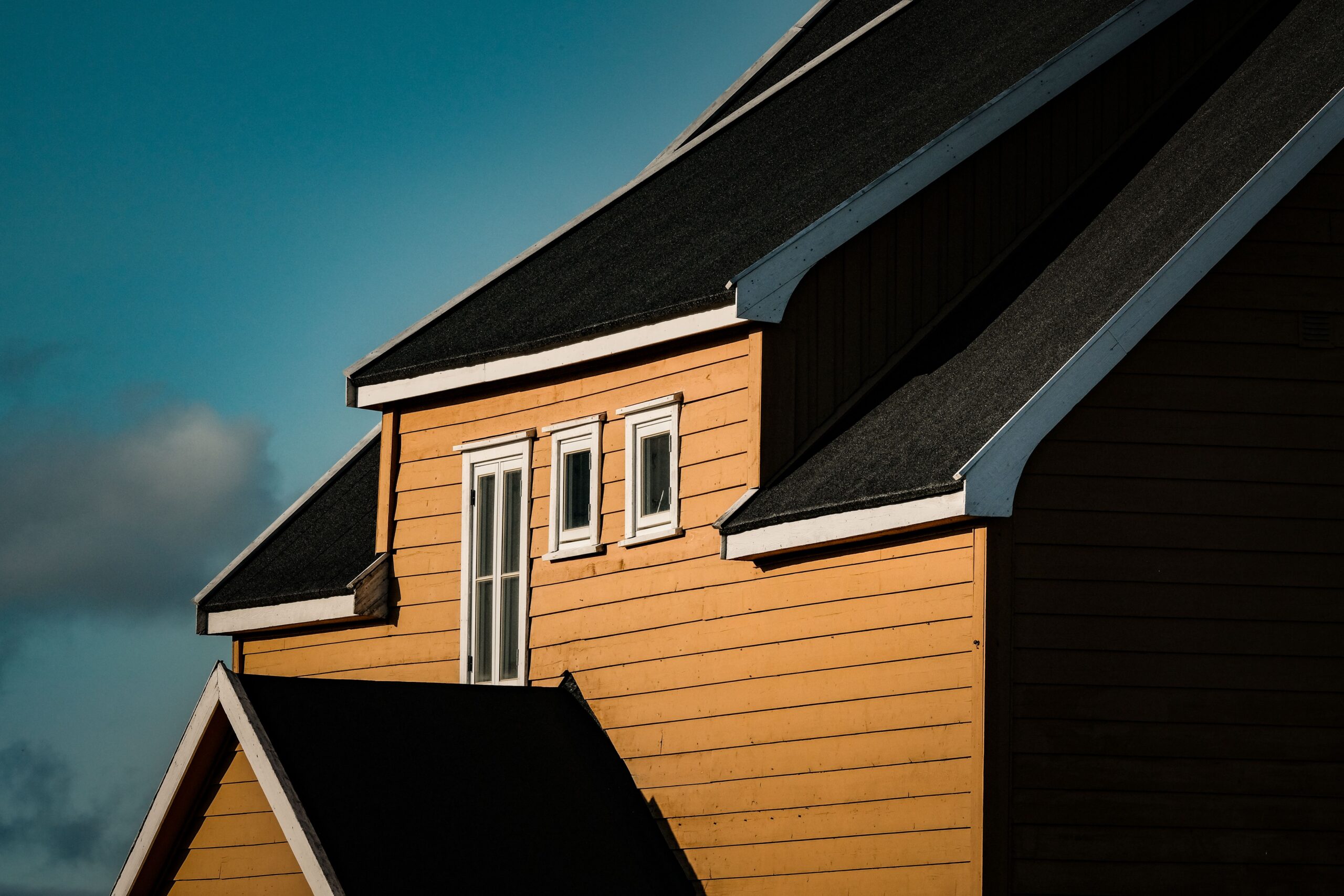
For homeowners in Franklin, Tennessee, your roof has to handle everything from heavy spring storms and humid summers to strong winds and steady rainfall throughout the year. While it quietly protects your home every day, roofing problems often develop out of sight. By the time water begins dripping inside or a ceiling stain appears, what started as a small issue may have already become a much larger repair.
The good news is that most roofing problems leave clues before they turn into leaks. Learning to recognize those early warning signs can help you address damage before the next round of rain arrives.
Spot Early Warning Signs
Some of the most important clues can be seen from the ground. Missing shingles are one of the most obvious signs that a roof needs attention. Even a small bare patch can allow water to move beneath the surface and reach the materials below. Shingles that are cracked, curling, or loose can also point to storm damage, aging, or general wear.
Ceiling stains are another early sign many homeowners notice. A yellow or brown mark may seem minor at first, but it often means moisture is already entering the home. Catching a stain early gives you a much better chance of fixing the source before the damage spreads.
Your gutters can also tell you a lot about roof condition. If you see large amounts of shingle granules collecting there, the roof may be wearing down. Granules help shield shingles from sun exposure and rain, so losing them means the shingles are becoming less protective over time.
Sagging areas deserve immediate attention as well. A healthy roofline should appear straight and even. If part of the roof looks droopy, uneven, or sunken, trapped moisture or structural weakness may be developing underneath. If you want an expert opinion, contacting a roofer in Franklin TN can help you understand whether the issue is minor or more serious.
Check Inside Your Home
Roof problems do not always show themselves outside first. In many cases, the earliest evidence appears indoors. The attic is one of the best places to inspect. Damp air, condensation, dark stains on wood, or moisture around insulation can all indicate that water is finding a way in.
Musty odors after rain are another warning sign. A moldy or stale smell may mean moisture is trapped above the ceiling or inside wall cavities. Sometimes smell reveals a hidden issue before visible damage appears.
You should also watch for peeling paint near the ceiling, stains on walls, and marks around light fixtures. Water often travels along rafters and beams before it becomes visible, so the stain you see may not be directly below the leak itself.
Even rising energy bills can be a clue. Wet insulation loses effectiveness, and openings in the roof can let indoor air escape. If your heating or cooling costs suddenly increase, a roof or attic problem may be partly responsible.
Notice Outdoor Clues
You do not need to climb onto the roof to learn a lot about its condition. In fact, staying on the ground is the safer choice. Walk around your home and view the roof from several angles. Look for dips, low spots, or uneven sections that might signal hidden damage.
Dark streaks are worth noticing too. Sometimes they are only algae, but they can also point to moisture retention or aging roofing materials. Even if they are not causing an immediate leak, they may suggest the roof is due for evaluation.
If you can see the flashing from below, examine areas around chimneys, vents, and roof edges. Flashing protects some of the roof’s most vulnerable points. If it appears loose, rusted, bent, or damaged, water may be able to enter through those openings.
After storms, inspect your yard and gutters for signs of trouble. Broken shingle pieces, fallen branches, and clogged downspouts can all affect how well the roof performs. Storm damage is not always dramatic. Sometimes a few scattered materials or small bits of debris are the only early hints.
Think About Roof Age
Even if a roof looks fine from the ground, age still matters. Roofing materials do not last forever, and older roofs are more likely to develop leaks during heavy rain.
If you are unsure how old your roof is, check maintenance records or ask a previous owner if possible. Asphalt shingles often last around 20 to 30 years, though climate, storm exposure, and maintenance can shorten that lifespan. Metal roofs may last longer, while wood and tile have their own durability ranges and care requirements.
As roofs age, they often lose flexibility, shed granules, and become less effective around edges, valleys, and joints. That means a roof can appear acceptable while quietly becoming more vulnerable to water intrusion. Sometimes an older roof seems fine until a strong storm exposes its weak spots.
Because of that, age alone is a reason to pay closer attention. An older roof may not need replacement right away, but it usually benefits from routine inspections and proactive care.
Don’t Ignore Small Leaks
Small leaks are easy to postpone, especially if they appear only during heavy rain or produce a tiny stain. Some homeowners place a bucket under a drip and plan to deal with it later. Unfortunately, roof leaks rarely stay small.
Water can soak insulation, raise energy costs, stain ceilings, damage drywall, and weaken wood framing over time. If moisture lingers long enough, mold can develop, creating both health concerns and additional cleanup expenses.
Leaks are often deceptive because visible damage is only part of the story. Water can move through hidden spaces along beams and rafters before finally showing itself indoors. By the time you notice a drip, moisture may already have spread farther than expected.
Fixing a leak early is usually simpler, less expensive, and less disruptive than waiting. There is no need to panic over every stain, but delaying action can turn a manageable repair into a major project.
Prepare Before Storm Season
The best time to think about roof problems is before severe weather arrives. One of the easiest preventive tasks is cleaning gutters and downspouts. Good drainage helps move water away from the roof and prevents backup under shingles.
Trimming overhanging tree branches is another smart step. In wind and rain, branches can scrape roofing materials, drop debris, or break off and cause direct damage.
Attic ventilation also matters. Proper airflow helps control heat and moisture, which can extend the life of roofing materials and reduce the chance of mold or damp insulation. If the attic feels unusually hot, humid, or stuffy, the ventilation system may need attention.
Be sure you are subscribed so that you don’t miss a thing!
Let’s connect!
TikTok | Facebook | Instagram | Pinterest | Youtube | Bloglovin

Leave a Reply