Essential Upgrades That Keep Your Home Stylish and Strong for Years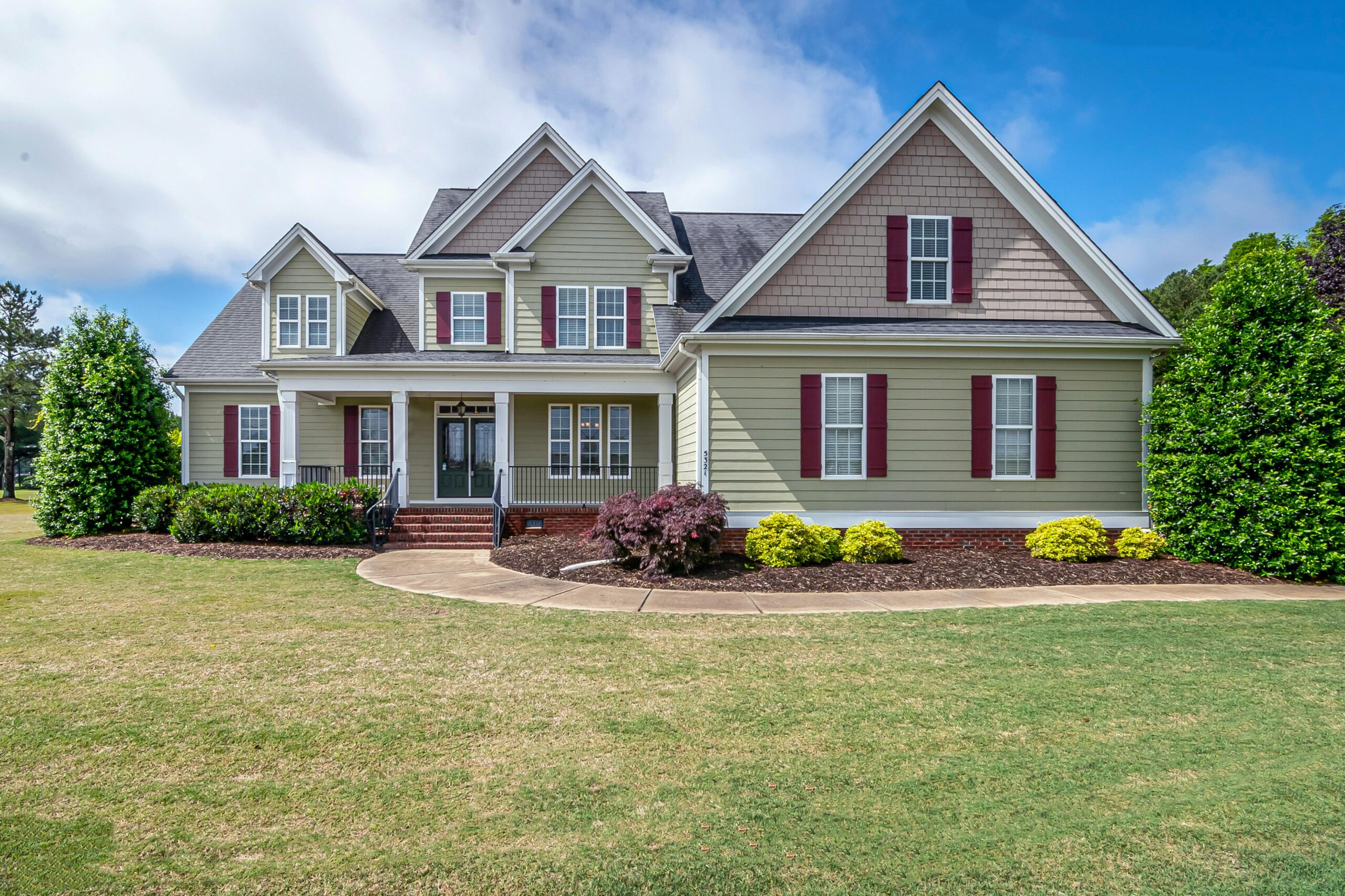
A house can look great on the outside, sure—but does that always mean it’s holding up the way it should? Not really. Things wear down, materials shift, and small issues? They creep in quietly. You don’t always notice at first. Then one day, a draft won’t go away, or a stain shows up where it shouldn’t. That’s when it hits: you’ve been putting off upgrades that actually matter.
Living in Portland adds another layer to this. The place is easy on the eyes, green almost everywhere, and the weather is a bonus – mild most of the year. However, it does rain quite frequently. So, naturally, you’d want your home to look good from the street and keep up with the city’s charm, but at the same time, you also want it to be strong enough to withstand heavy rains.
Let’s discuss what really keeps a home in shape for the long run.
Upgrade Your Roof for Long-Term Protection
Roofs take a beating, no question about it. In Portland, rain shows up often enough to test every weak spot. Shingles wear down, flashing loosens, and water finds its way in. You might not see it right away, but once it starts, it spreads. Damp spots, mold, insulation damage—it gets expensive and annoying fast.
Fixing small leaks early saves a lot of trouble. Sometimes it’s a patch job, sometimes sections need replacing. Either way, it’s not something to guess your way through. Professional help matters here. The top roofing companies Portland has are known for handling these conditions well, and that experience shows in the work. They know what materials last. They know how to seal things properly and how to deal with moisture.
And once it’s done right, you stop worrying every time it rains.
Improve Insulation for Comfort and Efficiency
Insulation doesn’t get much attention, but it should. After all, it controls how your home feels day to day. Bad insulation lets heat escape in winter, traps it in summer. The result? Rooms feel uneven. One corner feels warm, another cold. You keep adjusting the thermostat, and it’s still not quite right.
Upgrading insulation fixes that imbalance. The air stays steady, temperatures don’t swing as much. Your heating system doesn’t have to work nonstop either, which cuts down on energy use. You’ll notice the difference soon enough. The space will feel quiet, stable, and a lot easier to live in.
Refresh Exterior Paint and Siding
The roof isn’t the only exterior feature that takes a beating. Paint starts to fade, then crack. Siding loosens or warps. Once that outer layer weakens, water gets closer to the structure underneath.
A fresh coat of paint seals things up again. New siding goes even further, especially if the old one’s worn out. It tightens the exterior, keeps moisture out, and gives the place a cleaner look without trying too hard. Colors matter, sure—but the real benefit? It’s protection.
And yeah, it changes how the house feels when you pull up. More put together, less tired.
Replace Old Windows with Energy-Efficient Options
Windows deserve your attention – if you want to stay comfortable. Older ones tend to leak air, even when they’re shut tight. You get drafts, temperature swings, sometimes even condensation between panes. Not ideal, right?
Switching to modern windows solves a lot at once. They seal properly and hold indoor temperatures where they should be. That means fewer cold spots in winter, and less heat creeping in during warmer days. Plus, they cut outside noise—noticeably. Street sounds drop, and the inside feels quieter.
Light improves, too. Cleaner glass and better design – they let in more natural light without the glare. Rooms feel brighter without needing extra lamps during the day.
Upgrade Plumbing Systems
Plumbing sits behind walls, under floors, mostly out of sight—and then, something goes wrong. Old pipes tend to corrode or clog, sometimes both. Water pressure drops, and you can hear strange noises. Leaks show up in places that make no sense.
Upgrading the system clears that mess. New pipes handle flow better, and fixtures work the way they should. You don’t get sudden drops in pressure when someone turns on another tap. Less risk of hidden leaks too, which means fewer repairs tearing into walls later. It’s not glamorous work, but it keeps the house running without interruptions.
Modernize Electrical Systems
Electrical setups from years back weren’t built for today’s load. Too many devices, too many appliances pulling power at once. That’s where issues start—tripped breakers, flickering lights, outlets that feel warm when they shouldn’t.
Updating the panel and wiring fixes that strain. You can run what you need without thinking twice. It also reduces fire risk, which isn’t something to take lightly.
Reinforce Flooring for Durability
Floors handle a lot – foot traffic, furniture, spills, and constant movement. Cheap or worn materials don’t last. You start seeing scratches, soft spots, and boards shifting under weight.
Stronger materials fix that. You’ve got options – hardwood, quality laminate, and tile. What you choose depends on the space, but the idea stays the same. You want something that holds up without constant upkeep. Something that doesn’t show every mark or dent.
And once it’s in place, the whole room feels different. More solid underfoot, less noise, fewer worries about damage. It’s subtle, but you notice it every day.
Enhance Kitchen and Bathroom Features
Kitchens and bathrooms get used daily, and you know how much you use them.
Since they’re in constant use, fixtures wear out, cabinets loosen, and surfaces stain or chip. When that happens, the space starts feeling tired even if everything still works.
Upgrading these areas doesn’t mean tearing everything out. Sometimes it’s smaller changes—new faucets, better storage, updated counters.
The impact shows in how you move through the space. Cooking feels smoother, cleaning takes less effort. Bathrooms stay cleaner longer with fewer repairs needed. It’s about function as much as appearance, maybe more.
Your home needs your attention to stay strong and look its best. Ignore the core systems, and problems stack quietly until they don’t stay quiet anymore.
The better approach is clear—fix what matters and upgrade where it counts. Not everything needs changing. But the parts that do? They shape how the place holds up, how it feels to live in.
You end up with a house that doesn’t fight you. It works, holds steady, and fits into your day without constant fixes or second guesses.
Be sure you are subscribed so that you don’t miss a thing!
Let’s connect!
TikTok | Facebook | Instagram | Pinterest | Youtube | Bloglovin

Leave a Reply