Why Orthodontic Care Is About Much More Than a Straighter Smile
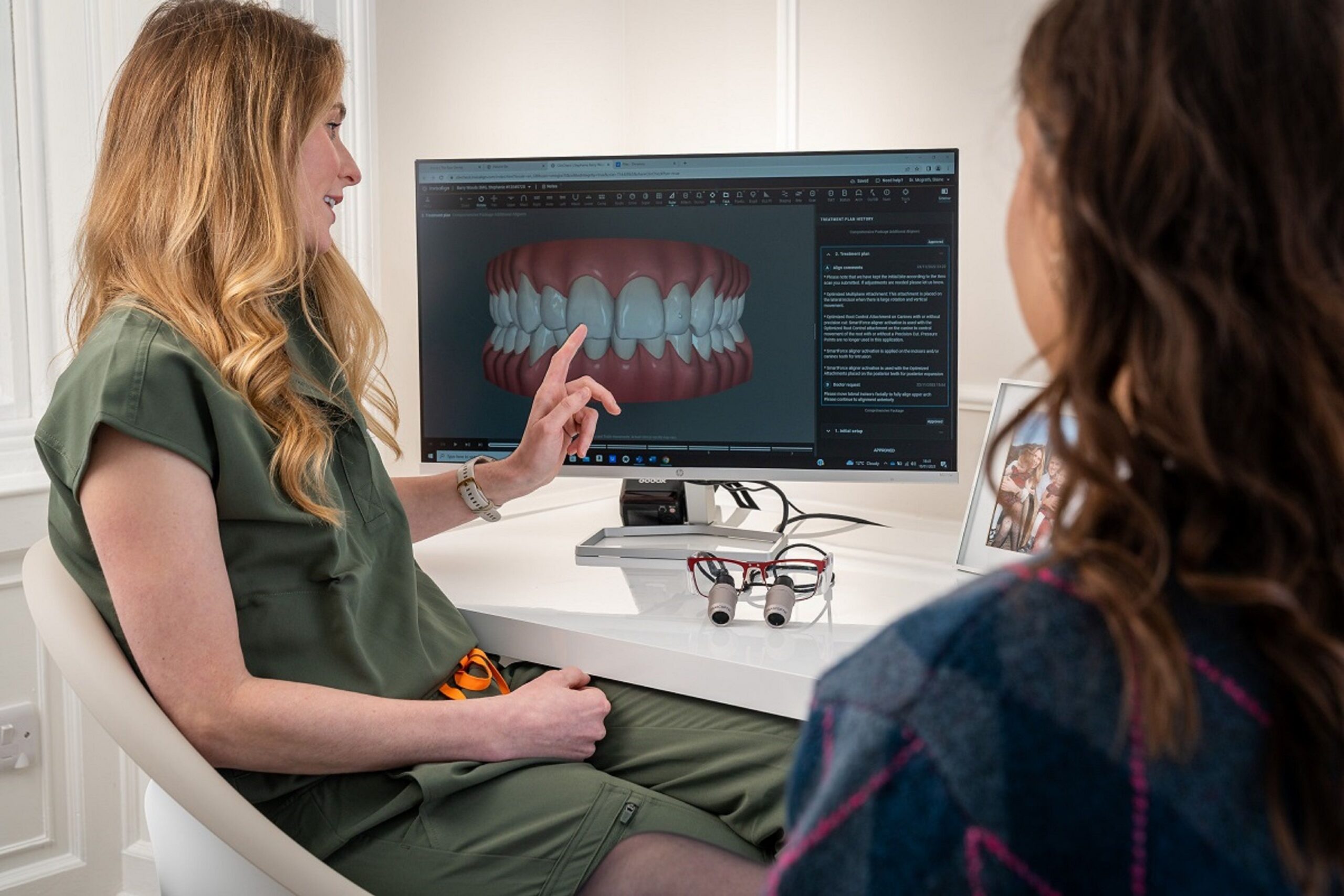
For people in Lake Stevens, deciding whether to pursue orthodontic care can begin with a simple concern about appearance. Crooked teeth, noticeable gaps, or an uneven smile may be what initially encourages someone to schedule a consultation. Yet orthodontics extends well beyond cosmetics. The position of the teeth and jaws can affect biting, chewing, oral hygiene, tooth wear, and everyday comfort. Treatment can therefore address functional concerns while creating aesthetic changes at the same time. Children, teenagers, and adults can all have different reasons for seeking care, which is why an individual assessment matters. Understanding the broader purpose of orthodontics can help patients view treatment as an investment in long-term oral health rather than merely a way to improve photographs.
Proper Alignment Can Support Everyday Function
A healthy bite involves more than having teeth that look straight from the front. Upper and lower teeth need to come together appropriately so that biting and chewing forces are distributed effectively. Problems with alignment can sometimes make these ordinary functions less comfortable or efficient.
When concerns about crowding, spacing, overbites, underbites, or other alignment issues arise, consulting a Lake Stevens orthodontist can help patients understand whether treatment may provide functional as well as cosmetic benefits. Orthodontic care can include options such as braces and clear aligners, with treatment recommendations depending on the patient’s teeth, bite, age, and individual needs.
An orthodontic evaluation provides an opportunity to look beneath the visible appearance of a smile. Rather than assuming treatment is necessary—or unnecessary—based purely on aesthetics, patients can learn how their teeth and jaws function together and what changes might realistically accomplish.
Straighter Teeth May Be Easier to Clean
Brushing and flossing become more complicated when teeth overlap or are tightly crowded.
Certain areas may be difficult for a toothbrush to reach effectively, while navigating dental floss between irregularly positioned teeth can require additional effort. Improving alignment may make daily cleaning more manageable by creating a more accessible arrangement of the teeth.
That does not mean orthodontic treatment eliminates the need for excellent oral hygiene. In fact, hygiene becomes especially important during treatment, particularly for patients wearing fixed braces because food and plaque can collect around brackets and wires.
Patients should continue regular dental visits alongside orthodontic appointments. Dentists and orthodontic professionals perform different but complementary roles in maintaining oral health.
Once treatment is completed, maintaining good brushing and flossing habits remains essential. Straight teeth are not automatically healthy teeth, but an alignment that makes effective cleaning easier can support a strong long-term hygiene routine.
Bite Problems Can Affect How Teeth Wear
Teeth experience considerable pressure throughout a lifetime.
When the bite is appropriately balanced, those forces can be distributed across the teeth during chewing. When certain teeth repeatedly receive disproportionate pressure, unusual patterns of wear may develop.
Orthodontic treatment can sometimes address alignment issues contributing to these patterns. Moving teeth into more suitable positions may help create a bite in which forces are distributed more appropriately.
This is another reason treatment decisions should not be based solely on whether a smile appears attractive.
Someone can have relatively straight-looking front teeth while still having a bite relationship that deserves professional evaluation. Conversely, minor cosmetic irregularities do not automatically indicate a significant functional problem.
A thorough orthodontic assessment considers how the upper and lower teeth relate, not merely how they appear independently.
Protecting teeth from unnecessary wear can become increasingly important over time, making bite function a valuable consideration when discussing potential treatment.
Jaw Development Matters During Childhood
Children’s orthodontic needs differ from those of adults because their teeth and jaws are still developing.
The American Association of Orthodontists recommends that children have their first orthodontic checkup no later than age seven. That does not mean every seven-year-old needs braces. Instead, an early evaluation can identify developing concerns and allow an orthodontist to determine whether monitoring or intervention may be appropriate.
Some problems may be easier to evaluate while growth is still occurring.
Parents should therefore avoid assuming orthodontics begins only after every permanent tooth has appeared. An early appointment can sometimes simply establish a baseline, followed by periodic observation as the child grows.
If treatment is eventually recommended, parents should understand its specific objective. Asking what problem is being addressed, why the timing matters, and what alternatives exist can make decisions clearer.
Early orthodontic attention is ultimately about development and function as much as appearance.
Orthodontics Is Not Exclusively for Teenagers
Braces are strongly associated with adolescence, but orthodontic treatment is not restricted to teenagers.
Adults may seek care because they never received treatment when younger, experienced changes in tooth position over time, or have concerns they now want to address. Some may also become interested in orthodontics while planning other dental work.
Treatment options have expanded beyond traditional metal braces. Depending on the clinical situation, adults may be candidates for clear aligners or other approaches that are less visually noticeable.
Age alone does not determine whether treatment is appropriate.
Oral health, the nature of the alignment problem, treatment objectives, and other individual circumstances all influence recommendations. Adults considering orthodontics should therefore begin with an assessment rather than assuming they have missed their opportunity.
The motivation may include wanting a more confident smile, but functional improvements can remain equally relevant. Orthodontic care can be worthwhile at different life stages when there is a clear reason for treatment.
Treatment Requires Active Patient Participation
Orthodontics is not something that happens entirely while the patient remains passive.
Successful treatment depends partly on following professional instructions. Patients with braces need to maintain careful oral hygiene and follow guidance about foods or habits that could damage appliances. Those using removable aligners generally need to wear them according to their prescribed schedule.
Appointments also matter.
Orthodontists use regular visits to monitor progress and determine whether treatment is developing as expected. Frequently missing appointments can interfere with that process.
Patients should communicate when something feels wrong rather than silently waiting for the next scheduled visit. Broken appliances, unusual discomfort, or other concerns may deserve earlier attention.
Treatment continues after active tooth movement ends as well. Retainers are commonly used to help maintain the new positions of teeth.
The commitment therefore extends beyond wanting a better smile. Consistent participation helps protect the time, effort, and resources invested throughout treatment.
Confidence Is Still a Meaningful Benefit
Recognizing the health and functional purposes of orthodontics does not mean cosmetic benefits should be dismissed.
How people feel about their smiles can affect confidence. Someone who has spent years avoiding photographs or covering their mouth when laughing may genuinely value aesthetic changes resulting from treatment.
That benefit can coexist with improvements in alignment and function.
Problems arise when orthodontics is presented as though appearance is its only purpose. Doing so overlooks many reasons professionals evaluate bites, jaw relationships, crowding, spacing, and tooth position.
It can also create unrealistic expectations. Orthodontic treatment aims to improve alignment within the possibilities presented by an individual’s anatomy and oral health, not manufacture a standardized version of a supposedly perfect smile.
Patients should discuss both aesthetic and functional priorities during consultations.
A good treatment plan considers what the individual hopes to achieve while remaining grounded in appropriate clinical objectives and realistic outcomes.
Long-Term Oral Health Should Guide Decisions
Orthodontic treatment represents a significant commitment, so decisions deserve more thought than simply choosing between braces and clear aligners.
Start by understanding the diagnosis.
Ask what alignment or bite concerns have been identified, whether treatment is necessary, what benefits are expected, how long treatment may take, and what responsibilities will continue afterward. Patients should also understand costs, appointment requirements, oral-hygiene expectations, and retention.
Remember that orthodontics operates alongside routine dental care rather than replacing it. Regular examinations, professional cleanings, and good home hygiene remain important throughout life.
Most importantly, think beyond the immediate visual result.
A straighter smile can certainly be rewarding, but orthodontic care may also improve how teeth fit together and make daily hygiene more manageable. For younger patients, evaluations can help monitor developing teeth and jaws. For adults, treatment can address concerns that have remained unresolved for years.
Orthodontics makes the most sense when appearance and oral function are considered together. A smile is something people see, but teeth also have demanding work to perform every day. Effective orthodontic care recognizes both realities, helping patients pursue results that are not only attractive but functional, maintainable, and supportive of long-term oral health.
Be sure you are subscribed so that you don’t miss a thing!
Let’s connect!
TikTok | Facebook | Instagram | Pinterest | Youtube | Bloglovin

Leave a Reply