Why More Homeowners Are Investing in Features That Feel Invisible Until Needed
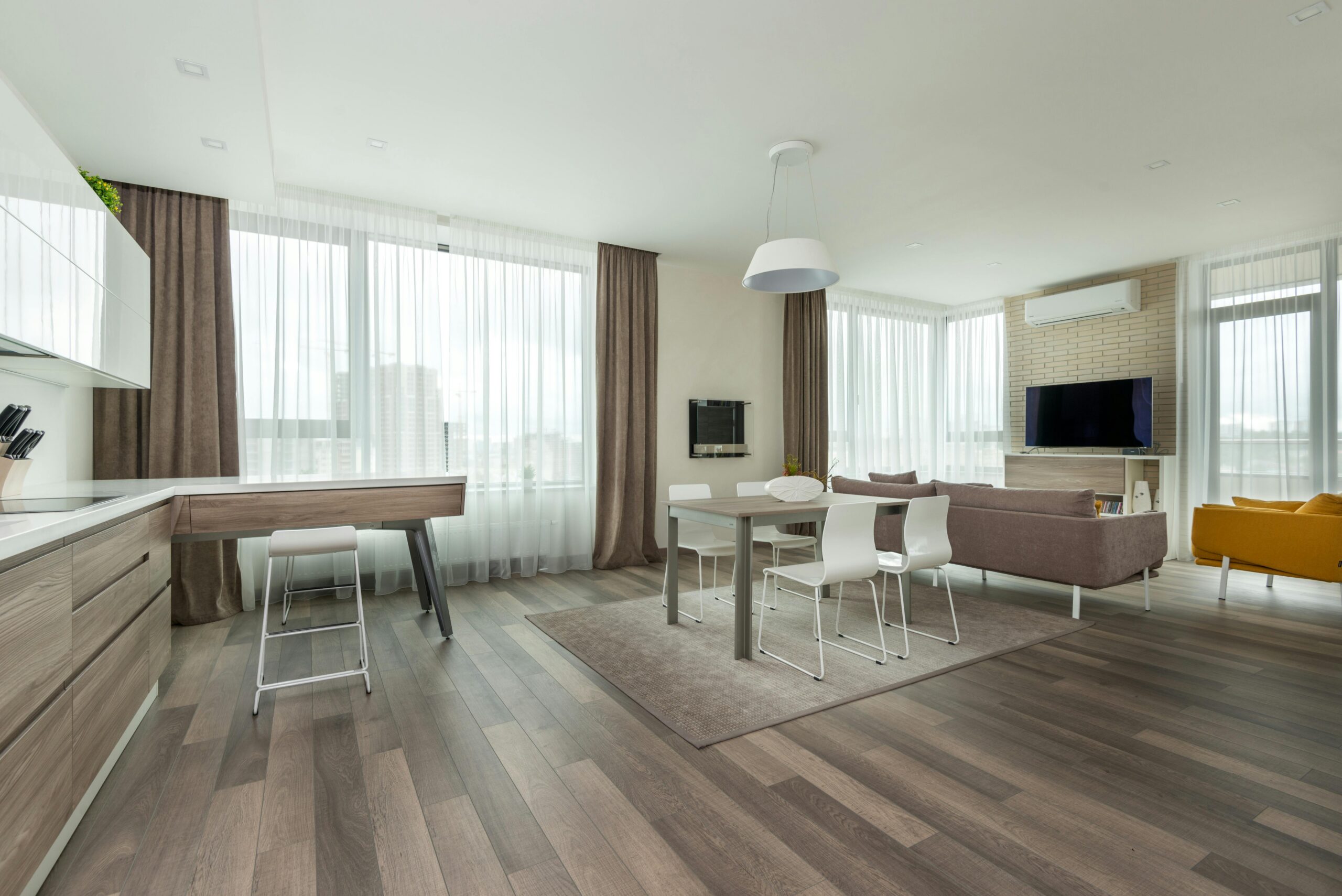
The funniest thing about modern home upgrades is that people are slowly spending the most money on features nobody notices right away. Not giant marble islands. Not dramatic chandeliers hanging two stories high. The real “luxury” stuff now hides in the background quietly, making life easier every single day. You feel it when the house stays cool during brutal heat, when outside noise suddenly disappears, or when a room feels calmer without you fully understanding why.
In places like Fort Lauderdale, weather, humidity, glare, storms, and nonstop coastal activity all push homeowners toward comfort-driven choices pretty quickly. You can have a beautiful house near the water, but if sunlight blasts through the windows all afternoon, traffic noise bounces through every room, and humidity turns the house sticky by evening, the place stops feeling relaxing fast.
Protective Windows
Protective windows are becoming much bigger than a storm season upgrade because homeowners are starting to notice how much regular windows affect everyday comfort. One loud motorcycle outside suddenly fills the living room, harsh sunlight overheats the couch by noon, and heavy rain makes the entire house feel tense for hours. Older windows constantly pull outside pressure indoors, even during completely normal days, which slowly makes the home feel less peaceful than people realize.
Protective window systems equal comfort. In Fort Lauderdale impact windows are increasingly viewed as part of everyday quality of life because they quietly soften the entire atmosphere inside the house. Rooms stay cooler longer, outside noise drops dramatically, and sunlight feels less aggressive throughout the day. Honestly, once homeowners upgrade, many of them immediately notice the most obvious thing: the house feels calmer. Not flashy. Not trendy. Just calmer.
Backup Cooling Features
Nobody thinks about backup cooling until the main system struggles during a brutal heatwave, and suddenly, the entire house feels like it is melting from the inside out. That is when people realize that depending on one cooling source for everything feels risky, especially in warmer climates where extreme temperatures can drag on for weeks. One overheated bedroom or one stuffy upstairs corner can completely wreck your mood by evening.
Now homeowners are building quieter secondary cooling features directly into their homes without making them visually obvious. Mini split systems hidden inside reading rooms, zoned cooling for bedrooms, quieter ceiling circulation setups, and backup airflow features are becoming incredibly popular because they fix discomfort before it spirals into frustration. The best part is that most guests never even notice them. The house just mysteriously feels comfortable all the time.
Sound Dampening Materials
A lot of modern homes sound awful, and people are finally catching onto it. Open layouts, oversized windows, hard flooring, tall ceilings, and smooth walls create a nonstop echo that quietly makes the house feel mentally louder all day long. Every dropped fork sounds dramatic. Conversations travel through every room. One person watching television somehow feels like the entire house is watching television.
However, sound-dampening materials are quietly becoming one of the smartest upgrades in newer homes. Acoustic plaster, oversized textured rugs, upholstered wall sections, thicker drapery, wood slat panels, and layered fabrics all help absorb sound without screaming “noise reduction system” visually. The atmosphere changes immediately once the rooms stop bouncing noise around constantly.
Built-In Air Purification
People became way more aware of indoor air quality once they realized how much time they actually spend inside the house. Stale air, humidity imbalance, trapped cooking smells, dust buildup, and poor circulation quietly affect energy levels more than many homeowners expected. A room can look spotless while still feeling heavy and uncomfortable because the air itself feels tired.
Built-in air purification systems are growing fast because they improve comfort without changing how the house looks visually at all. Better filtration, humidity balancing, and cleaner airflow quietly remove that stale feeling many homes develop during warmer months. Some systems even adjust automatically depending on indoor air conditions throughout the day. Homeowners notice they sleep better, headaches feel less common, and the house feels fresher overall without needing candles or sprays covering everything up constantly.
Privacy Landscaping
People are way less interested in perfectly manicured decorative yards now. Huge open lawns and sparse landscaping may look polished from the street, yet they often leave homeowners feeling weirdly exposed once they actually try relaxing outside. Nobody wants to sip coffee on the patio while feeling fully visible to neighbors, passing traffic, and every random dog walker nearby.
Privacy landscaping changes the emotional energy of outdoor spaces completely. Layered greenery, taller hedges, textured planting zones, and softer natural barriers help create separation without making the yard feel boxed in awkwardly. The backyard starts feeling quieter because visual noise drops instantly once outside distractions disappear behind landscaping. Even smaller patios suddenly feel more relaxing once the environment creates a sense of protection instead of exposure.
Better Insulation
Insulation used to sound like one of those boring home topics people ignored until something went wrong. Nobody bragged about it. Nobody posted it online. Then homeowners started realizing that poor insulation quietly makes everyday life more annoying in about fifty different ways. Certain rooms heat up too fast, outside noise sneaks through walls constantly, energy bills climb for no obvious reason, and the AC somehow never stops running even though the house still feels uncomfortable.
Today, insulation upgrades are suddenly getting much more attention. Better wall insulation, insulated attic systems, sealed crawl spaces, and upgraded barrier materials help stabilize the entire atmosphere of the home without changing the visual design at all. The difference feels subtle at first, then suddenly you notice something weird. The house stays cooler longer. Bedrooms feel quieter at night. The temperature stops bouncing around every few hours.
Concealed Appliance Zones
Kitchens got way too loud visually for a while. Coffee machines, air fryers, blenders, charging stations, toasters, water filters, mixers, and random countertop gadgets started taking over every inch of space. Even expensive kitchens began looking mentally exhausting because there was constantly “stuff” sitting everywhere demanding attention from your eyeballs all day long.
Then, concealed appliance zones exploded in popularity. Appliance garages, hidden coffee stations, retractable storage walls, and integrated charging drawers let kitchens stay functional without looking cluttered twenty-four seven. Some homeowners even hide entire breakfast setups behind sliding cabinetry now because they want the room to feel calmer outside active cooking hours. Honestly, kitchens instantly feel more expensive once all the visual chaos disappears. You stop feeling like you are standing inside a small appliance showroom every morning just trying to make coffee half awake.
Homeowners are moving toward quieter upgrades because daily comfort matters way more now than flashy design features screaming for attention. Better insulation, stronger windows, and concealed appliances all improve the way a house feels without constantly showing off.
Be sure you are subscribed so that you don’t miss a thing!
Let’s connect!
TikTok | Facebook | Instagram | Pinterest | Youtube | Bloglovin

Leave a Reply