Why Content and SEO Must Work Together for Growth
Key Takeaways
- Content and SEO are interdependent and must be aligned for effective digital growth.
- Quality content is the cornerstone of SEO success and user engagement.
- Strategic SEO practices amplify content visibility and long-term results.
- Measurement, data-driven adjustments, and user experience remain critical to sustained growth.
The Symbiotic Relationship Between Content and SEO
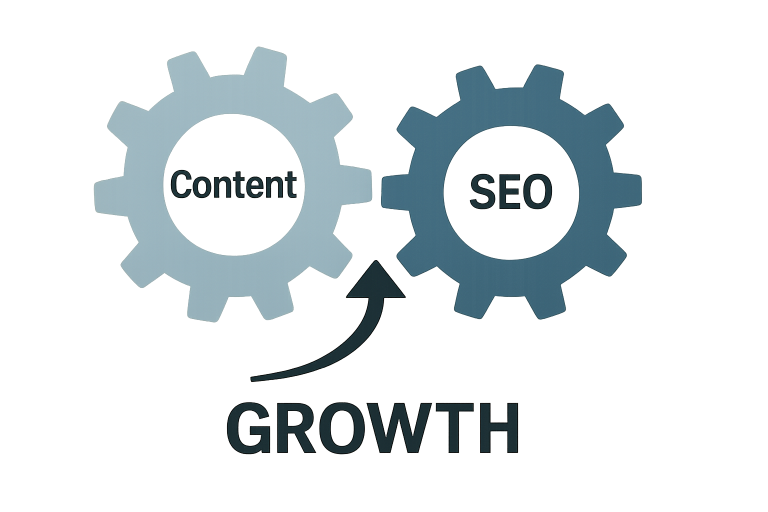
In an era where digital attention spans are shrinking, both content and search engine optimization must seamlessly work together to drive results. Content forms the heart of a site, providing valuable information, insights, and solutions for users, while SEO acts as the critical infrastructure guiding organic traffic toward that content. When content is developed in isolation or SEO practices are implemented without strategic content, the full growth potential of a digital presence is generally missed. Even the most technically optimized websites will struggle if not backed by high-quality, engaging material, and conversely, excellent articles have little impact if no one discovers them.
By leveraging a strategic approach that unites content creation with the technical prowess of SEO—such as the services offered by https://victorious.com/dallas-seo-agency/—companies can accelerate their growth trajectory and compete more effectively in search rankings.
For brands and businesses hoping to establish a consistent online presence, integrating these two disciplines is non-negotiable. With hundreds, if not thousands, of competitors vying for the top spots on search engine results pages (SERPs), it’s no longer enough to rely on either alone. Content writers and SEO specialists must collaborate from the outset, considering not only the message and intent but also the best practices for discoverability and indexation.
Understanding the Role of Content in SEO
Search engines like Google have shifted priorities in recent years, emphasizing content that is not only keyword-rich but also genuinely helpful and authoritative. High-quality content answers user queries, offers unique perspectives, and builds trust. At its core, great content provides comprehensive coverage—whether through long-form guides, how-to tutorials, insightful listicles, or data-driven research—that addresses not just direct queries, but also related questions and next steps. This emphasis is evident in Google’s guidelines, which state that valuable, user-first content consistently outperforms thin, shallow, or irrelevant articles.
To truly succeed in SEO, you must have a deep understanding of your audience and their intent at every stage of the customer journey. Modern search algorithms assess not just keyword frequency, but also the context, semantic richness, user engagement signals, and expertise demonstrated within a piece. As a result, brands must focus on answering the questions their audiences are actually asking. This human-centered approach signals to search engines that your site deserves a higher ranking, increasing the potential for continued organic visibility and relevance within your niche.
How SEO Enhances Content Visibility
Compelling content alone does not guarantee visibility; it requires SEO to thrive. Through keyword research, on-page optimization, and technical enhancements, SEO ensures that content aligns with the search intent of an audience. Keywords signal to search engines what your content is about and who should see it, while elements such as meta tags, schema markup, and well-structured silos give additional context and structure. SEO also encompasses technical factors—such as page speed, mobile responsiveness, internal linking architecture, and site crawlability—that enable search engines to access and display your best content efficiently.
With these tactics in place, your content is more likely to appear in relevant searches and reach the users it was designed for. SEO works by directing new and returning users to your pages at every stage of their buying or learning journey, thereby increasing organic traffic over time. Without technical SEO, even the best articles are invisible. A carefully balanced and integrated approach ensures that your efforts pay off in both the short and long term.
Strategies for Integrating Content and SEO
- Keyword Research: Begin by identifying primary and secondary keywords that resonate with your target demographic. Use these keywords thoughtfully in your content without forcing them unnaturally. Keyword clustering around topics, rather than single-word targets, can help your content rank for multiple search variations and related queries.
- Content Structuring: Employ clear headings, bullet points, and short paragraphs to facilitate both user comprehension and search engine crawling. A proper structure helps readers scan your articles, while also enabling Google to interpret the main topics and subtopics covered accurately. Well-structured content encourages greater dwell time and lower bounce rates.
- Regular Updates: Routinely refresh older posts to ensure accuracy and relevance, signaling to search engines that your site is active and engaged. Updating statistics, examples, and links keeps content evergreen and valuable to users, thus prompting better long-term rankings.
- Internal Linking: Connect related resources within your site to enhance user navigation and pass link equity, thereby boosting your site’s overall SEO value. A strong internal linking strategy not only drives visitors deeper into your website but also distributes authority across multiple pages, helping key URLs rank higher.
Incorporating these elements also positions your content to meet Google’s evolving algorithm updates, which reward sites that offer ongoing value and updated insights. Regular audits and competitive research allow you to identify content gaps, new ranking opportunities, and areas for optimization.
The Impact of Quality Content on Backlinks
Creating informative, authoritative content naturally attracts backlinks from journalists, bloggers, and other industry leaders. Backlinks act as votes of confidence, with search engines interpreting them as signals of trustworthiness and value. High-authority backlinks remain one of the most influential ranking factors, helping to propel your pages higher in search results over time. Compelling resources such as original research, infographics, or in-depth analyses give others a reason to cite and share your work, expanding your reach beyond your existing audience. Earning these coveted links requires not just comprehensive coverage of topics but also unique insights and actionable takeaways that set your work apart.
According to an analysis by SEMrush on Google ranking factors, comprehensive content that delves deeply into a topic is significantly more likely to be linked to, thereby elevating its authority and reach organically. The compounding nature of backlinks means that as your content starts to earn credibility, it becomes a magnet for even more references, further solidifying your brand’s online authority and impact.
Measuring Success: Analytics and Adjustments
Effective content and SEO strategies rely on ongoing measurement and refinement to ensure optimal performance. Tools track essential metrics, including organic traffic, average session duration, bounce rate, and conversions. These insights extend beyond vanity metrics, revealing the types of content that resonate most with visitors and which landing pages deliver the strongest ROI. By regularly reviewing performance, brands can identify what resonates, uncover which keywords drive the most qualified visitors, and refine their approach based on data rather than assumptions.
Course corrections are part of the process; a willingness to adapt ensures sustained success and greater ROI from your content initiatives. Integrating analytics reporting into your workflow helps you spot content gaps, technical SEO errors, and shifts in user intent before they affect your rankings. Making incremental, evidence-based improvements over time can lead to exponential growth and ongoing competitive advantage.
Common Pitfalls to Avoid
- Keyword Stuffing: Overloading copy with targeted keywords in the hope of ranking higher can result in search engine penalties and a poor user experience. Such tactics dilute your message and make your articles difficult to read, thereby harming their long-term SEO value.
- Ignoring Mobile Optimization: As mobile usage continues to rise, ensuring your content loads quickly and renders well on all devices is essential for both SEO and audience retention. Google’s mobile-first indexing makes this a non-negotiable requirement for competitive rankings.
- Neglecting User Experience: Slow loading times, confusing layouts, or intrusive pop-ups push users away—prioritize seamless navigation to keep your audience engaged. A frictionless experience lowers bounce rates and encourages repeat visits, both of which are critical SEO signals.
Final Thoughts
The connection between content and SEO is the keystone of modern digital marketing success. Aligning your content strategy with proven SEO best practices enables your business to draw in, inform, and convert more users—sustainably and at scale. By focusing on user needs, continuous optimization, and strategic integration, you set the groundwork for a robust digital presence that can thrive regardless of market changes. Ultimately, content may be king, but SEO is the crown that makes that kingdom visible to the world.
Be sure you are subscribed so that you don’t miss a thing!
Let’s connect!
TikTok | Facebook | Instagram | Pinterest | Youtube | Bloglovin
